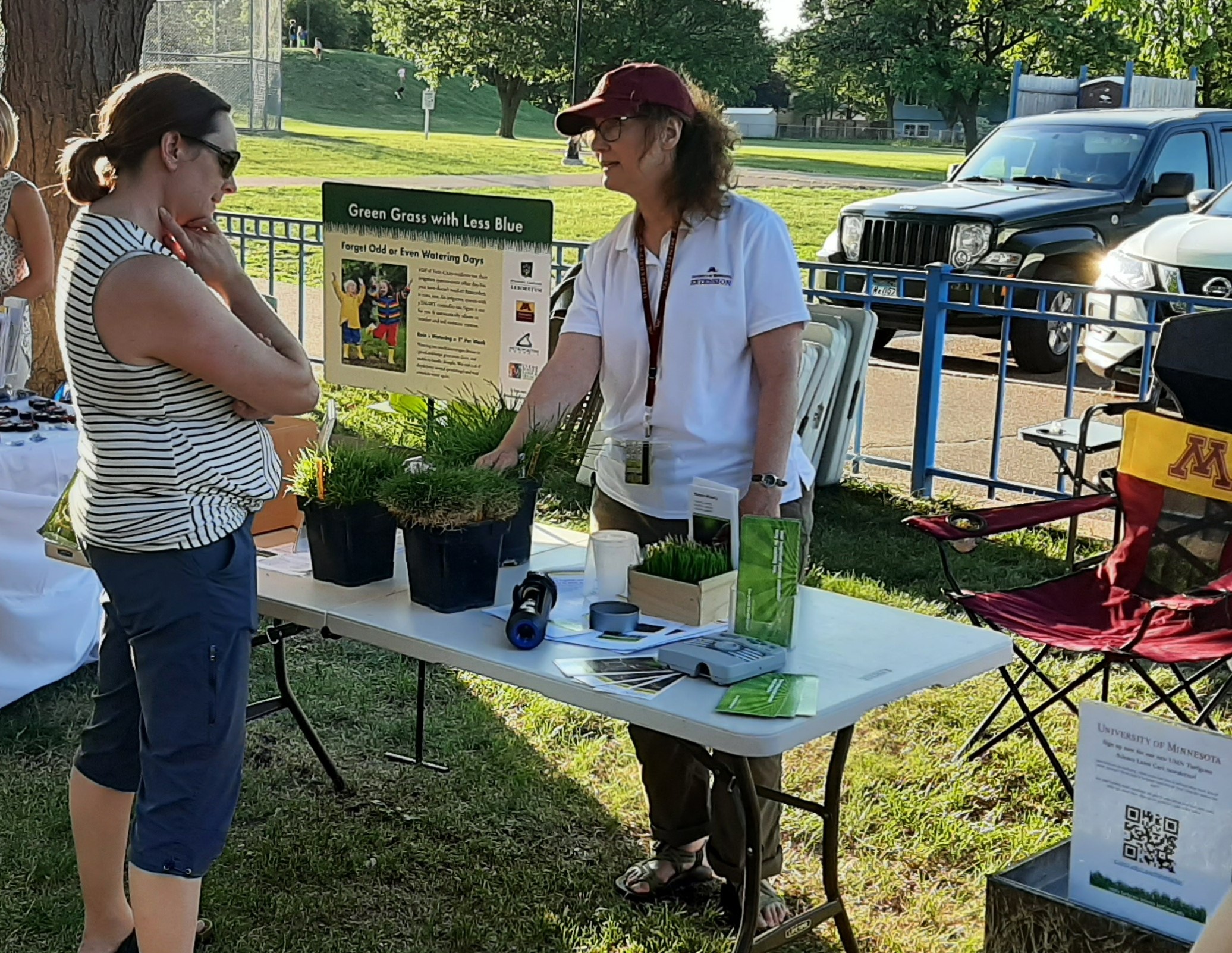
University of Minnesota Turfgrass team in the media – 4/25/24
Check out our team’s latest efforts in educating the public about our work. See the April 2024 Edition of the Center for Transportation Studies' Catalyst publication for Researchers recommend updates to MnDOT’s turfgrass seed list, approval process featuring Eric Watkins and his comments about a project conducted by UMN Turfgrass Science team!
UMN Turfgrass Team at Earth Day Celebration in Lakeville!
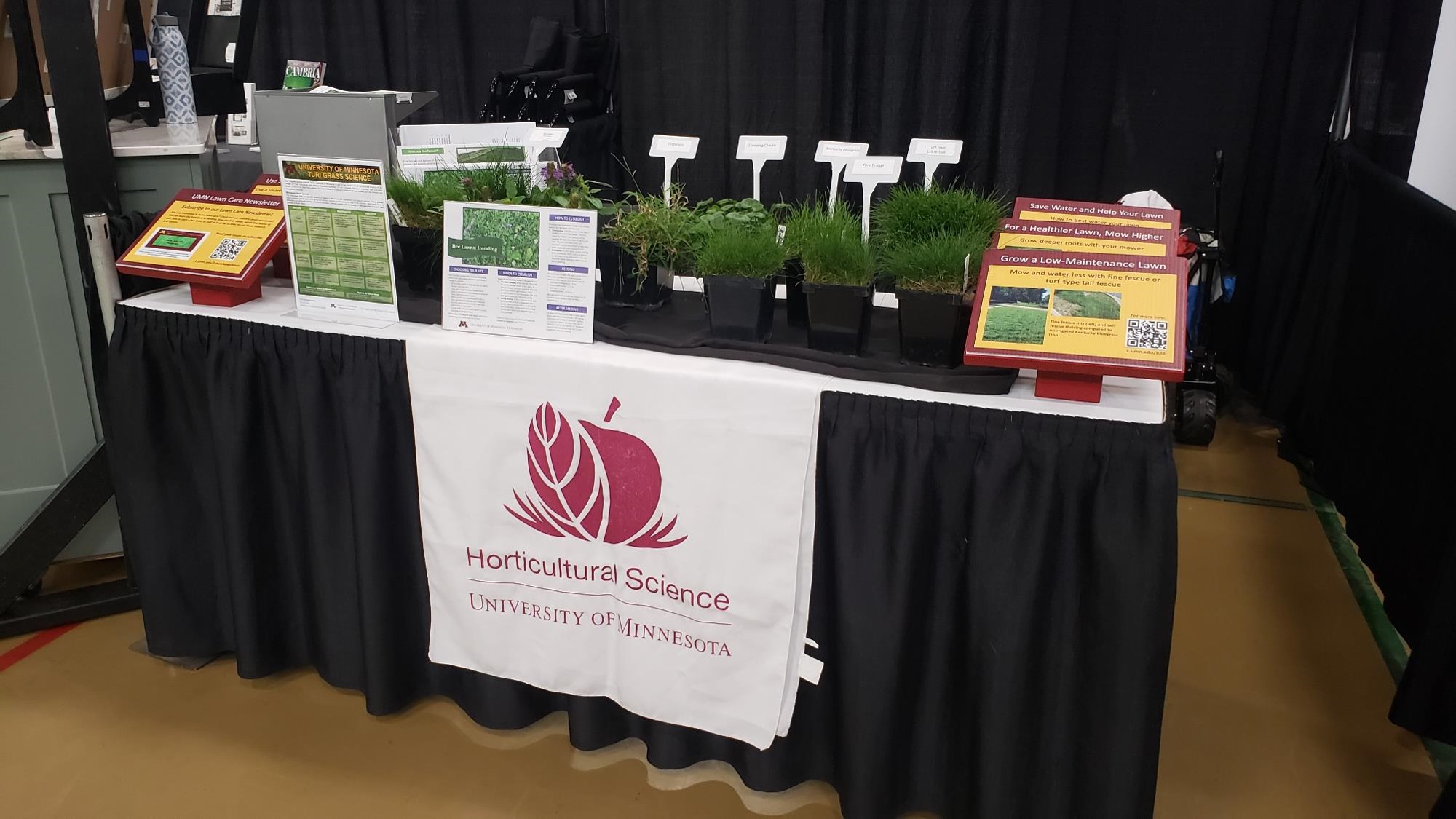
The UMN Turfgrass Science team will be at the Earth Day Celebration and Watershed Cleanup in Lakeville (7570 179th Street W, Lakeville, MN 55044) on Saturday, April 20, 2024 from 11:00 a.m. to 1:00 p.m.
Dr. Eric Watkins given Minnesota Crop Improvement Association award

Dr. Eric Watkins has been awarded the Honorary Premier Seed Grower Award by the Minnesota Crop Improvement Association.
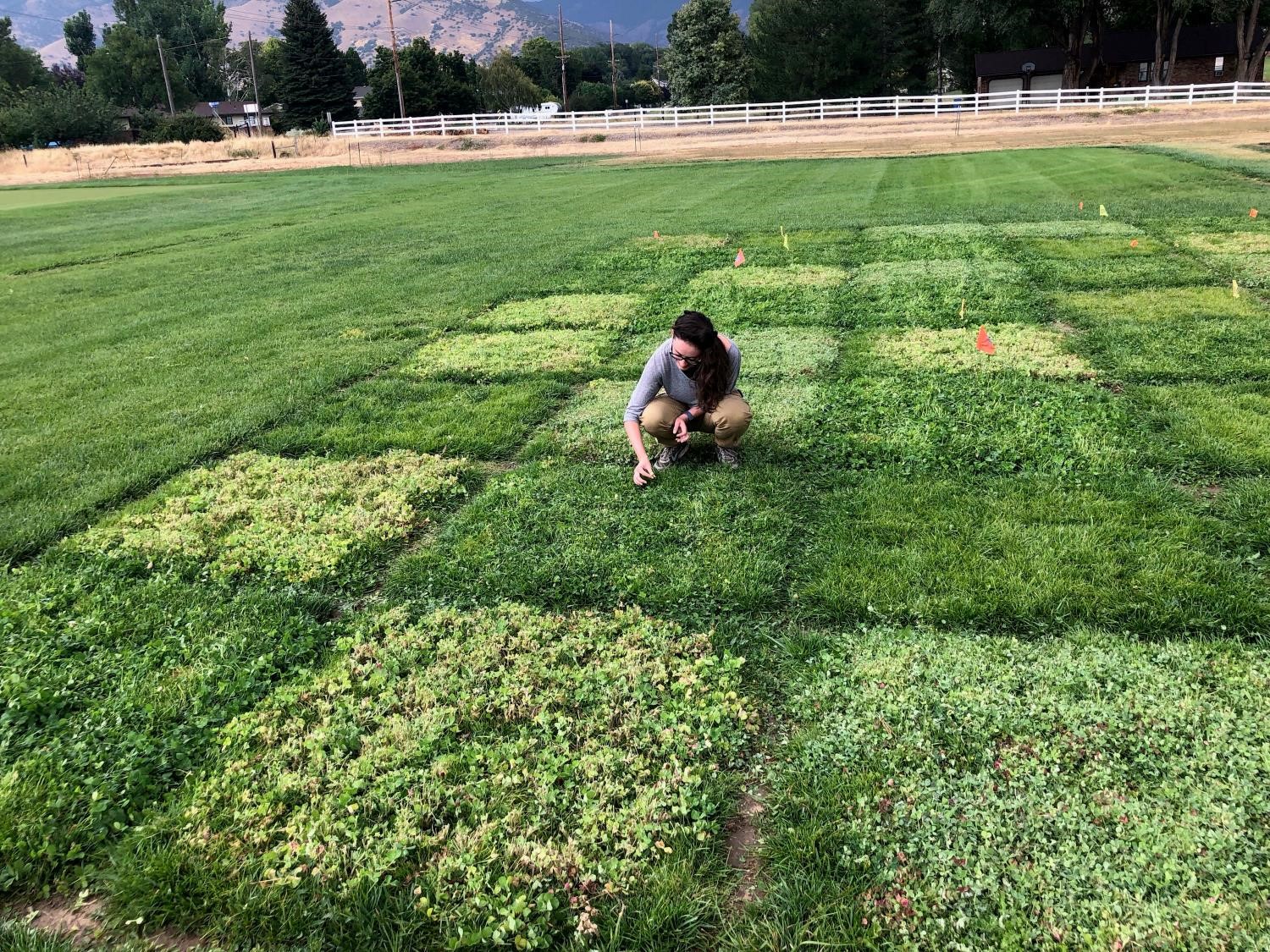
What is Turfgrass Science?
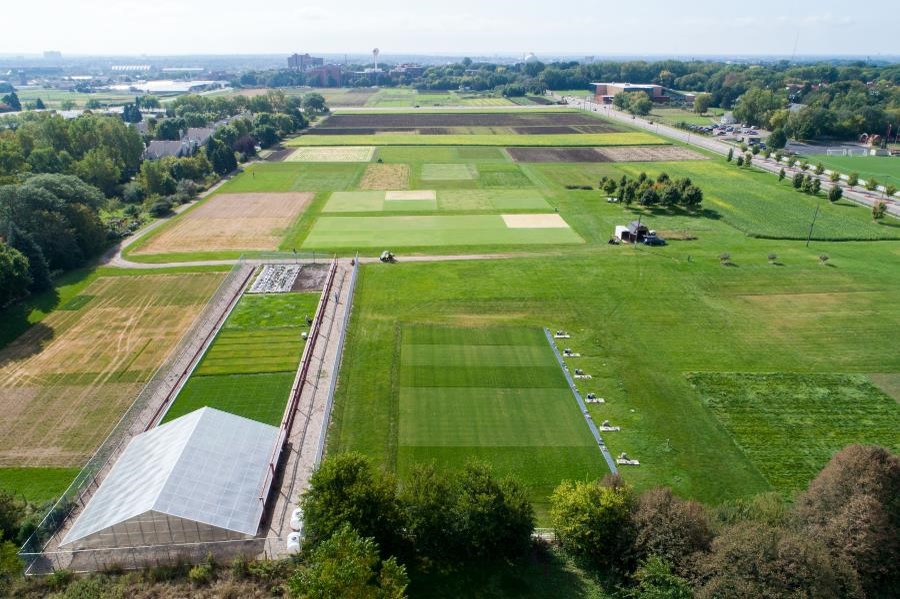
The University of Minnesota's Turfgrass Science Program conducts field-based research and offers education and consultation to both commercial turfgrass managers and homeowners caring for their yards. Want to search our site? Click here.
Lawn Care Newsletter
Are you interested in home lawn care? Sign up now for our monthly email newsletter! Read our previous issues.
Follow @UMNTurf

Stay up-to-date on the latest news from the UMN Turfgrass Science team by following @UMNTurf on X.